

Handling overlapping labeling categories can be a real headache, but don't worry! As a labeling category supplier, I've dealt with this issue more times than I can count. In this blog, I'll share some tips and tricks on how to manage these overlapping categories effectively.
Understanding the Problem of Overlapping Labeling Categories
First things first, let's talk about what overlapping labeling categories actually are. Sometimes, products can fit into multiple labeling categories. For example, a square bottle that also has a flat surface could be labeled using a Square Bottle Labeler or a Flat Surface Labeling Machine. This overlap can cause confusion in the labeling process, leading to inefficiencies and potential errors.
One of the main reasons for overlapping categories is the diversity of products in the market. Manufacturers are constantly coming up with new and innovative designs that don't always fit neatly into one specific category. Another factor is the evolution of labeling technology. As machines become more versatile, they can handle a wider range of products, which further blurs the lines between categories.
Strategies for Handling Overlapping Categories
1. Conduct a Thorough Product Analysis
The first step in handling overlapping categories is to understand your products inside out. Take the time to analyze each product's features, dimensions, and labeling requirements. This will help you determine which labeling category is the most suitable. For example, if a product has a flat surface but also a unique shape, you might need to consider both a Flat Surface Labeling Machine and a specialized labeler for the shape.
You can create a detailed product matrix that lists all the relevant information about each product. This matrix can serve as a reference guide when deciding which labeling category to use. It will also help you identify any patterns or trends in your product portfolio that can inform your labeling strategy.
2. Evaluate Labeling Machines
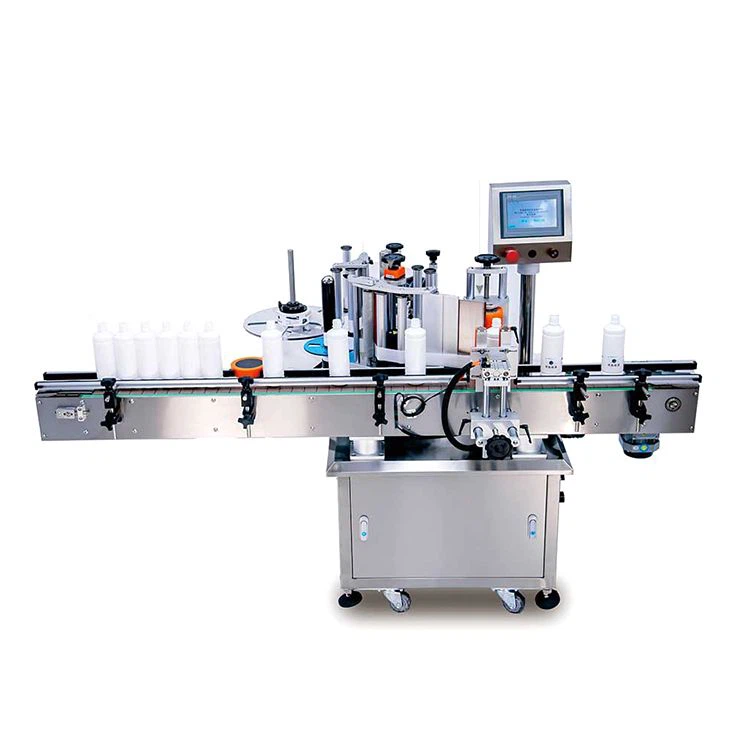
Once you have a clear understanding of your products, it's time to evaluate the available labeling machines. Look for machines that offer flexibility and can handle multiple types of products. For instance, some modern labeling machines are designed to be easily reconfigured to accommodate different shapes and sizes.
Consider the features and capabilities of each machine. Does it have adjustable labeling heads? Can it handle different label materials? These are important factors to consider when choosing a machine for overlapping categories. You might also want to look for machines that come with advanced software that can be programmed to handle different labeling scenarios.

3. Develop a Standardized Labeling Process
Having a standardized labeling process is crucial for managing overlapping categories. This process should outline the steps to be taken for each product, from selecting the appropriate labeling machine to applying the label. By following a standardized process, you can ensure consistency and reduce the risk of errors.
For example, you can create a flowchart that shows the decision-making process for choosing the right labeling category. This flowchart can be used as a training tool for your employees, ensuring that everyone is on the same page when it comes to labeling.
4. Train Your Staff
Your staff plays a key role in handling overlapping labeling categories. Make sure they are properly trained on the different labeling machines and processes. Provide them with hands-on training and regular updates on new products and technologies.
Training should include not only how to operate the machines but also how to make informed decisions when faced with overlapping categories. Encourage your staff to ask questions and share their experiences, as this can help improve the overall labeling process.
Case Studies
Let's take a look at a couple of real-world examples of how companies have handled overlapping labeling categories.
Case Study 1: A Food Manufacturer
A food manufacturer had a range of products, including square bottles and cartons. Some of the square bottles also had flat surfaces, which created an overlap between the square bottle labeling and flat surface labeling categories.
The manufacturer conducted a detailed product analysis and found that most of the square bottles with flat surfaces could be labeled using a Square Bottle Labeler with some minor adjustments. They also invested in a Carton Labeler that was versatile enough to handle different carton sizes and shapes.
By developing a standardized labeling process and training their staff, the manufacturer was able to streamline their labeling operations and reduce errors. They also saw an improvement in productivity and a decrease in labeling costs.
Case Study 2: A Cosmetics Company
A cosmetics company had a variety of products, including round and square containers, as well as products with irregular shapes. The company faced challenges in determining the most suitable labeling category for each product.
They evaluated different labeling machines and found a Flat Surface Labeling Machine that could be easily adjusted to handle different shapes and sizes. They also developed a custom labeling process that took into account the specific requirements of each product.
By implementing these strategies, the cosmetics company was able to improve the quality of their labels and reduce the time and cost associated with labeling.
Conclusion
Handling overlapping labeling categories is not an easy task, but with the right strategies and tools, it can be managed effectively. By conducting a thorough product analysis, evaluating labeling machines, developing a standardized process, and training your staff, you can streamline your labeling operations and improve the quality of your labels.
If you're facing challenges with overlapping labeling categories, don't hesitate to reach out. As a labeling category supplier, I'm here to help you find the best solutions for your business. Whether you need advice on choosing the right labeling machine or assistance in developing a labeling strategy, I'm just a message away. Let's work together to make your labeling process more efficient and cost-effective.
References
- Smith, J. (2020). "Best Practices in Labeling for Diverse Product Portfolios." Journal of Manufacturing Efficiency.
- Johnson, A. (2019). "Overcoming Labeling Challenges in the Modern Market." Packaging Today.